
Aqua
Aqua seldom stray far from water.
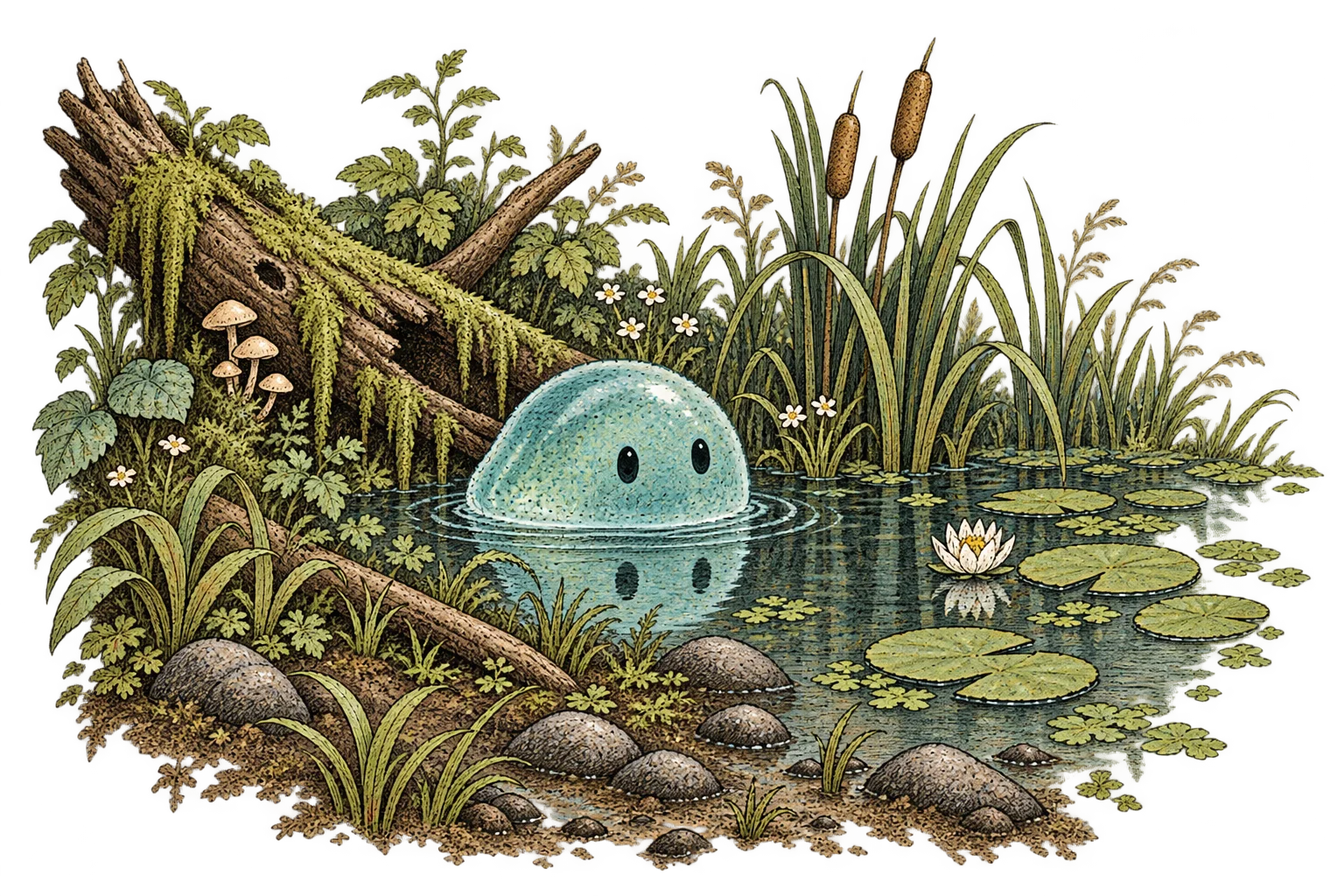
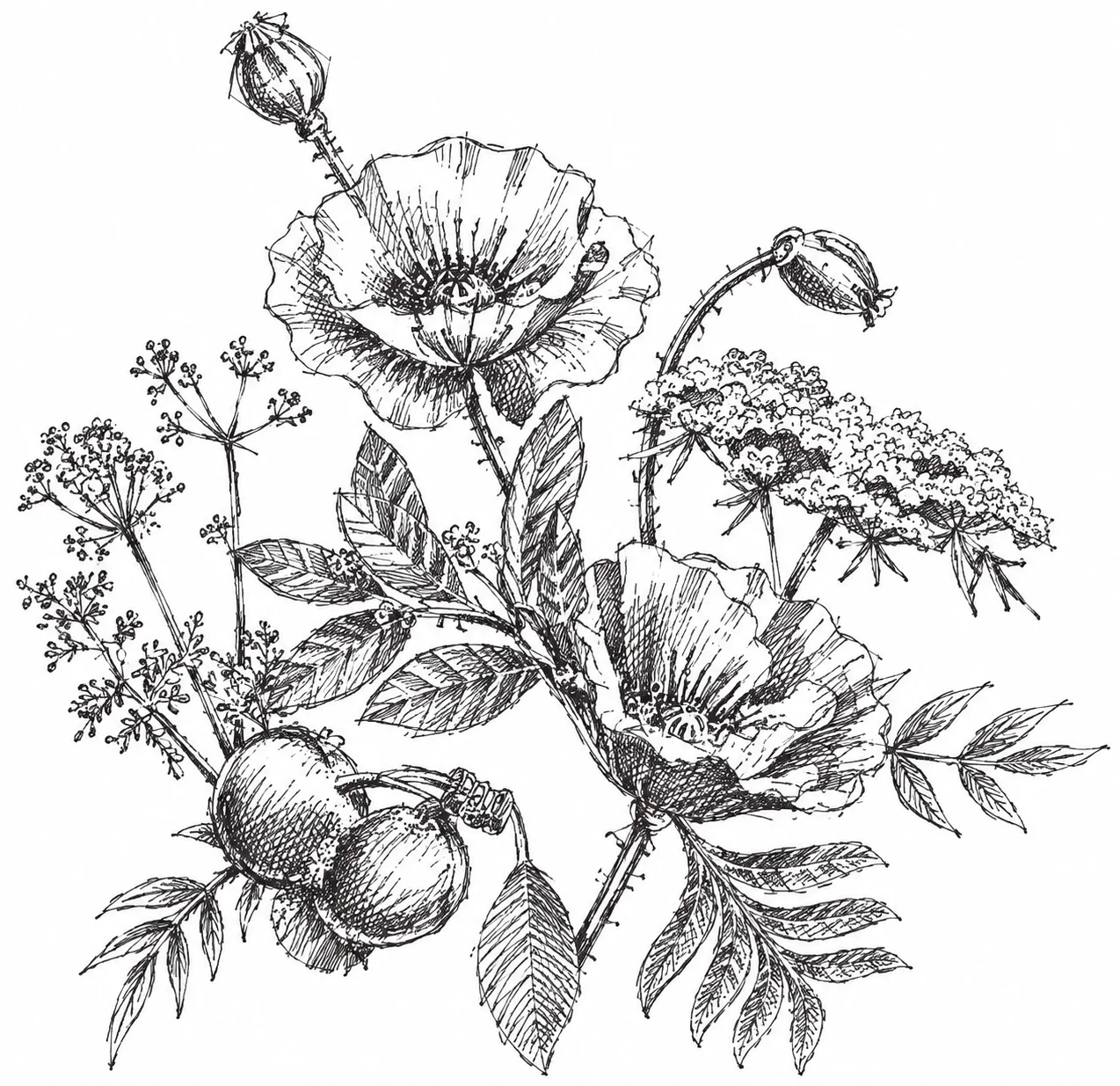
Plate I · By the quiet shore Reeds, water lilies and shallow water form their habitat.
Habitat and sustenance
Along quiet banks and among the plants of the swamp, Aqua make their way. Water eases their thirst; rain and damp air help too. Dry, sunlit ground drains their reserves. Their supply routes therefore often follow the shore, even when the destination lies inland.
Water alone cannot feed an Aqua. Water lilies, mushrooms and food parcels satisfy hunger. Nectar is gathered as well, but it is no meal. An Aqua resting at the water's edge may find relief from thirst and still go hungry.
The paths of a colony
A food find leaves a scent trail for other Aqua to follow. Returning carriers also draw attention to sources that still have something to give. Drinking leaves no food trail, however: water is sought separately.
Carriers first take their loads home. Only pressing hunger or thirst may interrupt a delivery. When searching freely, Aqua usually attend to whichever need is most urgent. Once they have set out, small changes do not immediately turn them around.
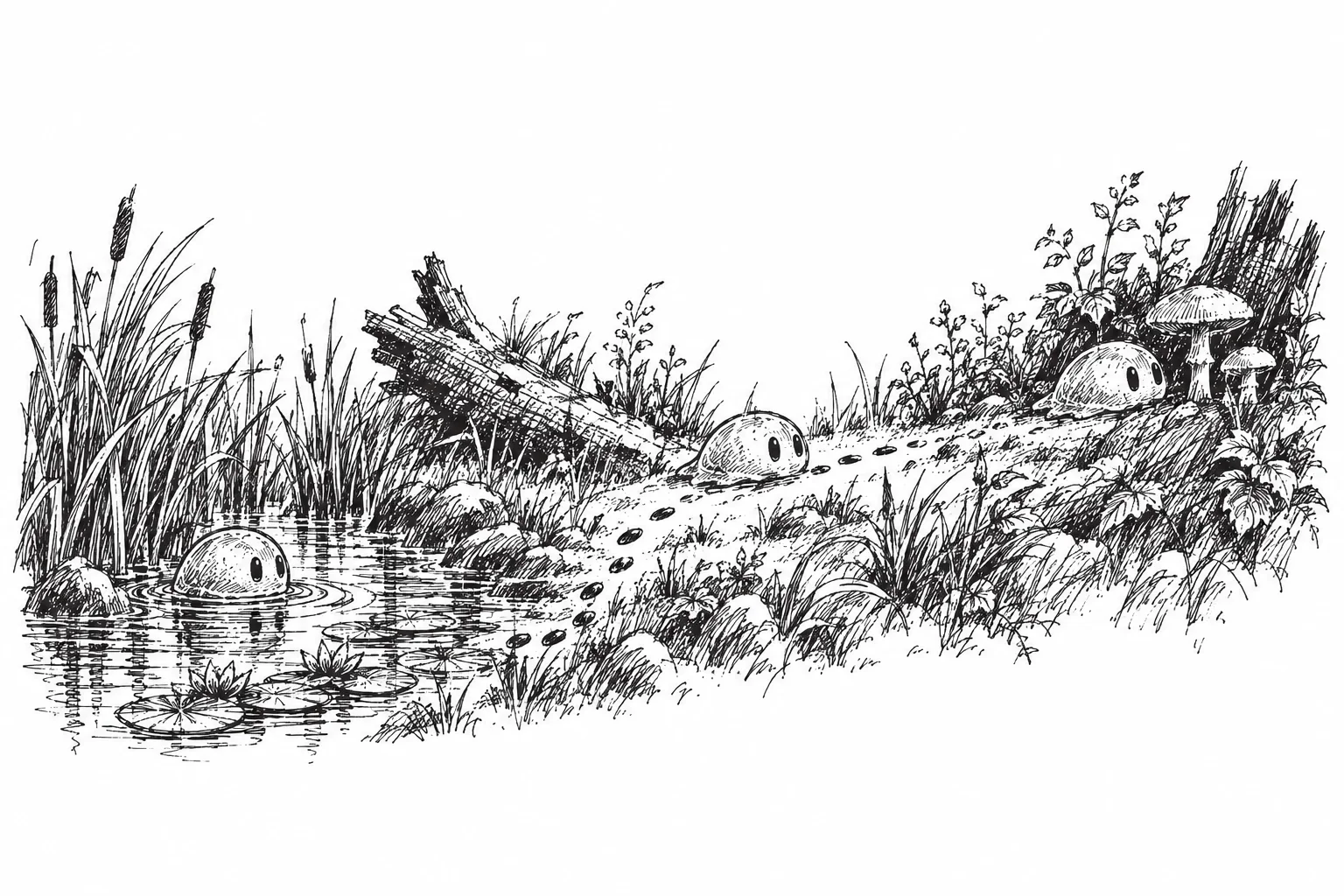
Shore study · Water and food are not always found in the same place.

At midday, an Aqua carrying a load left it on the bank. It lingered in the water, then took up the parcel again.
Stronger together
Nearby companions lend force to an Aqua's attacks and soften an enemy's blows. With enough support, it may face a predator it would flee alone.
When the group scatters, that advantage fades. Standing close offers no protection from harm caused by the environment.

Three Aqua pushed an attacker back together. When one caught in the reeds, the others almost immediately gave ground.
Nest and territory
In their own nest, Aqua slowly recover their water need. Stores still require foraging routes. A rich feeding ground beyond a dangerous boundary is therefore not necessarily a good neighbour. Queen and stores tie the colony to particular chambers; a second nest extends its territory but does not share every parcel with the first. Even in the shelter of a nest, food depends on carriers and storage places they can reach.
Strong warning trails steer autonomous search and travel away where possible. Aqua may cross them when there is no useful alternative. An Aqua explicitly ordered to attack or follow may cross such a warning too. The line is a warning, not a wall.

At the broad edge of a pond, nearly every foraging route crossed today. The wide clear patch beside them remained empty.