

Magma
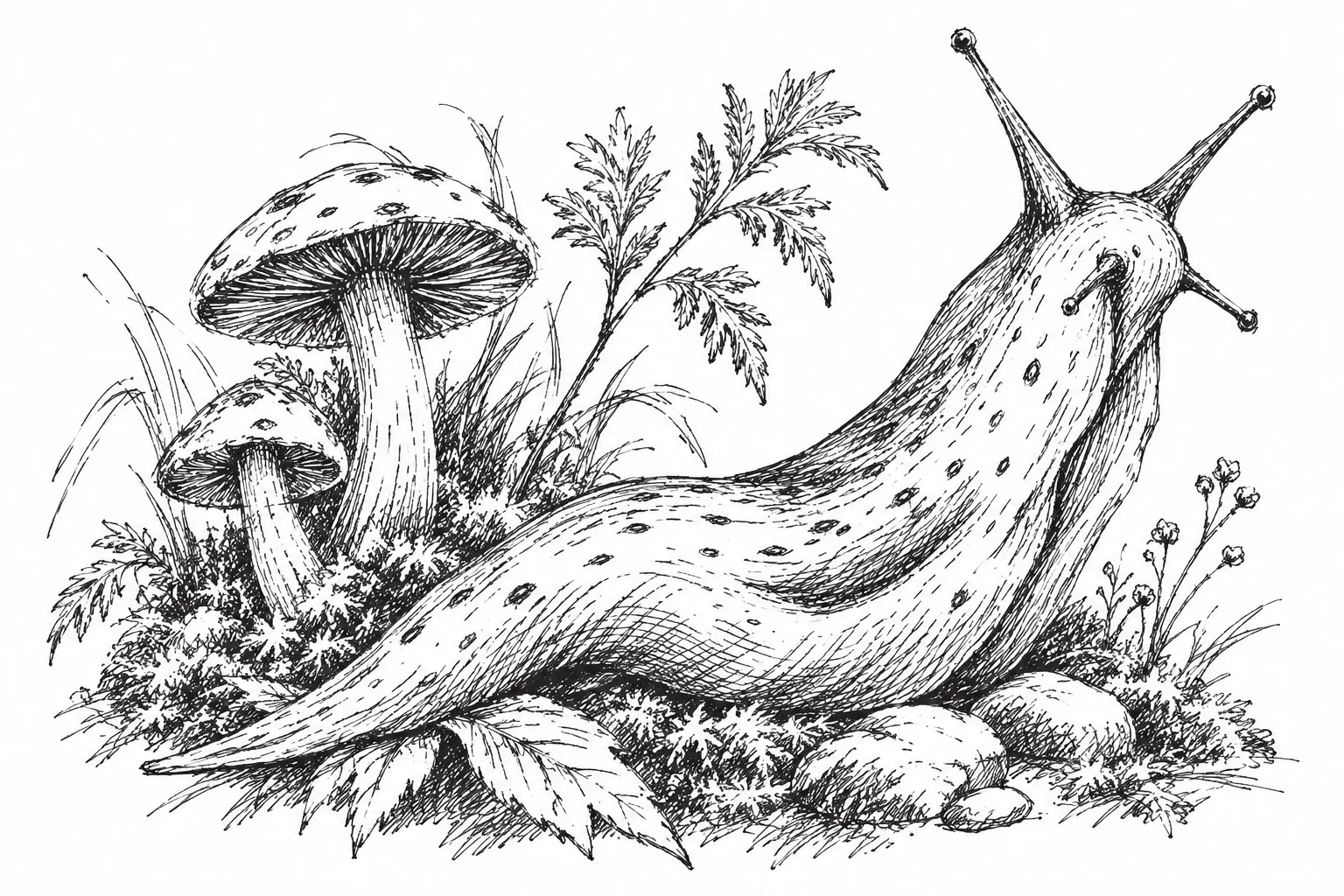
Magma follow warmth and prey, two resources that can both move.

Plate IV · Warmth after sunset The heated desert ground holds off the cold for a while.
Between heat and hunting
Magma are at home in the open, warm desert. Sun and heated ground support their need for warmth; night, rain, cold and water drain it faster. Their own nest keeps warmth steady, making it not only a store but refuge when the weather changes.
Their food may stand still or flee. They can gather mushrooms and food parcels like other slimes. Animals and carcasses add a hunting cycle in which perception, speed and the later value of a body all matter.
Not every hunt ends in a catch
Magma recognise certain animals as prey and shift from searching to pursuit and attack. Fast forest animals often leave their hunting range before they can catch them. The slower desert hare is more dependable, though it may escape in a short burst.
When a Magma gives up, that is not necessarily a navigation error. Distance, hunger and the prey's condition can end a pursuit. A killed animal becomes a finite food source and may still be carried after feeding. The desert replenishes a minimum population of its prey; vanished forest animals are not replaced in the same way.

A hare vanished between two rocks. The Magma followed its trail a moment longer, then turned towards a mushroom.
Warmth does not stay in one place
A route favourable in the afternoon can cool at night. Rain lowers warmth further and gently draws autonomous Magma towards their nest before the need becomes critical. Water tiles are particularly unfavourable and are also ordinary navigation boundaries.
When warmth falls far enough, returning home becomes a protective response. Underground, the primary need is suspended while movement and digging still cost energy.
Hunters in a shared food economy
Magma eat carcasses and mushrooms; mushrooms benefit them less than suitable prey. A processed food parcel remains equally usable by every species, however, whether it began as a mushroom, lily, piece of wood or crystal.
A Magma colony can thus live on food gathered by another species without being able to use its raw plant source. What matters is the change from a source in the world to a parcel set down for storage. This shared parcel form connects hunting, gathering and nest supplies without erasing species-specific searches for raw food.

Shortly before nightfall, one Magma still lay on the warm sand. The others had already returned to the nest.