






Bat
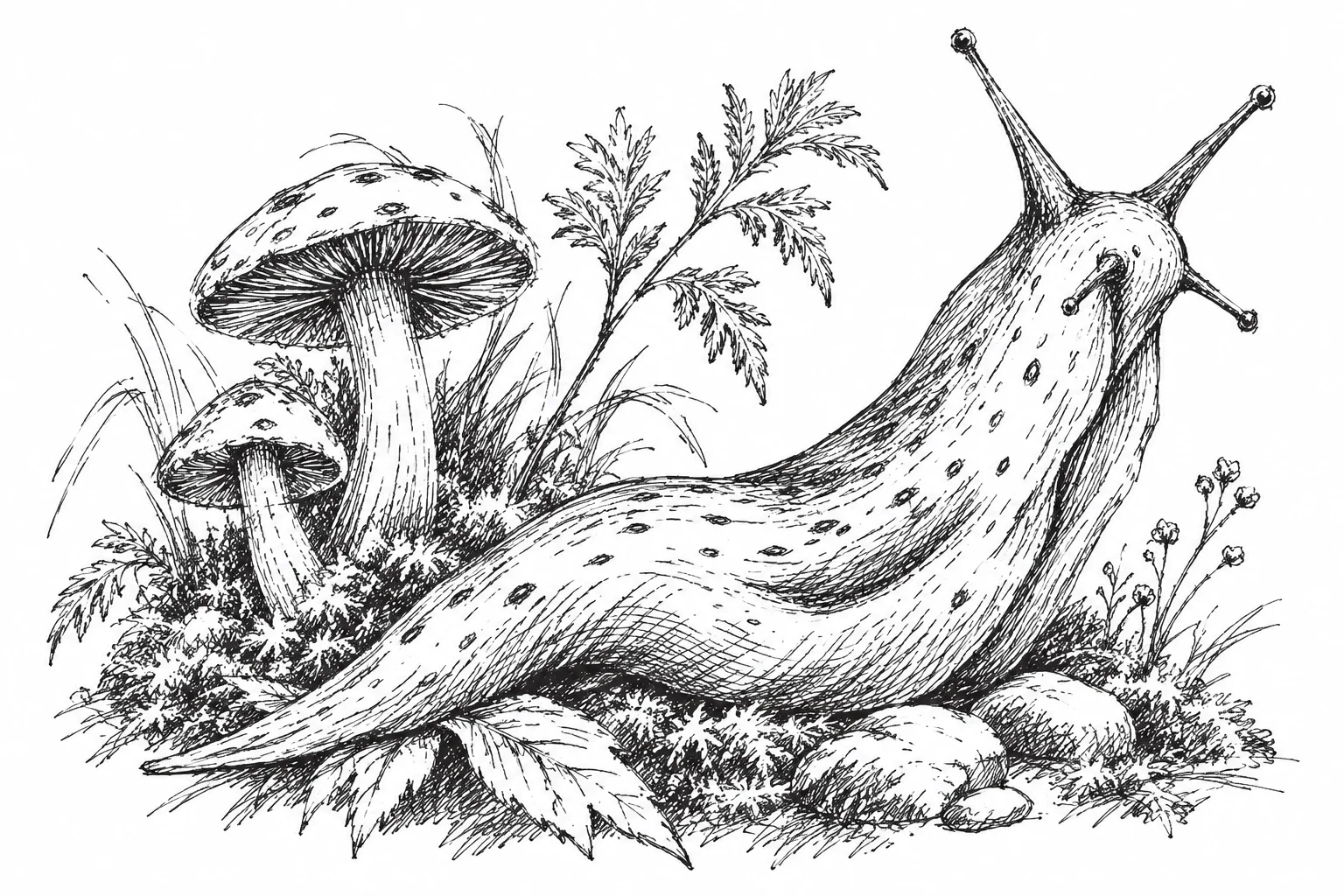
Bats sleep in caves, wake together and sometimes pursue prey to the surface.
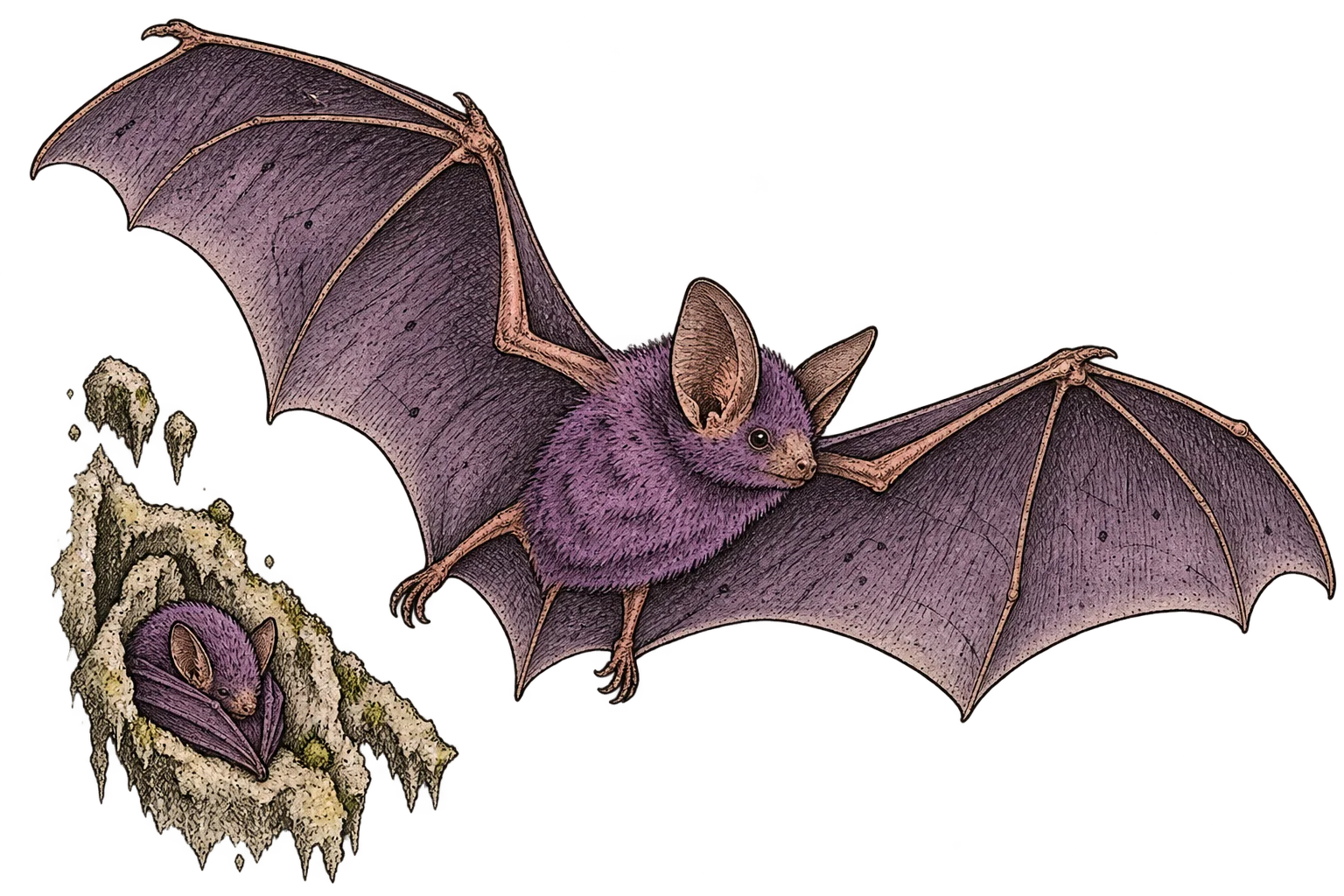
Bats rest at fixed roosts underground. Waking one can disturb others nearby. In flight they strike slimes on the move, then return to their roosting area after a limited hunt. Several nearby roosts can turn one disturbance into a hunting group.
Through the shaft
Prey need not remain on the same level. Under suitable conditions, a bat follows through a shaft and remembers the way back. Daylight makes the surface dangerous and sends it back underground. A familiar entrance can become a predator's route at night and its way home in the morning.
Digging nearby
Digging sounds and tremors wake bats from farther away. At first they remain alert by their roost, flying small arcs and briefly hovering between them. Only when a burrowing body comes very close do they defend that spot with brief dives. They follow it only a short distance, soon break off and pause between defensive bursts.
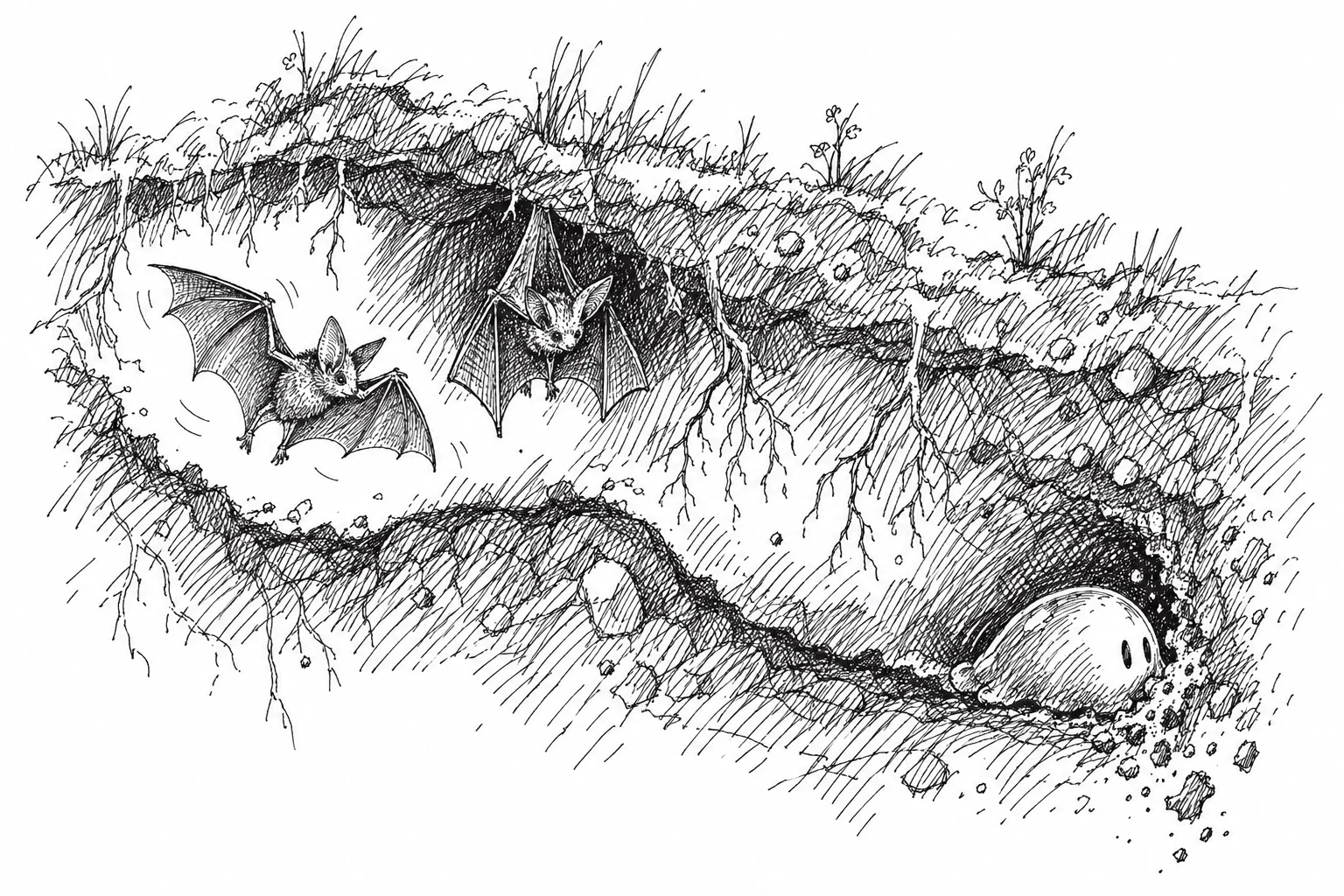
Cave study · Awake, but not yet attacking.

The slime had barely scratched the wall when a bat began to circle above it. Only when it came beneath the roost did the bat swoop down.
When a roost is lost
If digging removes the ceiling above a roost, its occupant seeks another reachable support nearby. Without a suitable local spot it stays airborne for the time being. Flight protects it from a body passing along the ground; a sleeping animal can still be run over.
Smoke, not a carcass
When a bat dies, its body dissolves into violet-grey smoke and falling ash. No usable corpse remains.